Why Our Tree Planting Campaign Failed (And What We Learned About Power)
The Meeting That Changed Everything
Last Tuesday, I sat in the back row of the community center watching our carefully planned presentation fall apart. We had charts showing where 200 new trees would go. We had quotes from three nurseries. We even had a PowerPoint about carbon sequestration that took me six hours to make.
The city council listened politely, then voted 4-3 to approve a new parking lot instead. Two months of organizing, down the drain. But here’s the thing: that failure taught us more about grassroots organizing than any success story could.
Start With Power, Not Problems
Our biggest mistake? We started with the solution instead of understanding who makes decisions and why. We assumed good data would win the day. Trees are obviously better than more asphalt, right? Wrong approach entirely.
The parking lot had three vocal supporters: the owner of the corner deli who loses customers when they can’t find spots, the president of the business association, and a council member whose campaign signs I’d seen outside both their establishments. Meanwhile, our tree supporters were mostly people who walk to the store anyway.
Next time, we’re mapping power first. Who votes? Who influences those voters? Who benefits from the status quo? Maria from the tenants’ union taught us to draw actual diagrams with names, relationships, and interests. It feels uncomfortably strategic, but democracy is strategic whether we acknowledge it or not.
Build Coalition Before Building Consensus
We spent weeks perfecting our environmental argument when we should have spent weeks talking to the business owners. Turns out, the deli owner was worried about foot traffic, not philosophically opposed to trees. The hardware store next door actually supported us but had never been asked.
Coalition building isn’t about finding people who already agree with you. It’s about finding people whose interests align with yours, even partially. The youth soccer league needed shade for their Saturday morning games. The seniors’ group wanted more benches and gathering spaces. The community garden folks understood the connection between green space and property values.
We learned to start every conversation with questions, not talking points. What do you need? What’s frustrating you? How do you see this neighborhood changing? Sometimes people support your idea for completely different reasons than you do. That’s not compromise, that’s coalition.
Timing Is Everything You Cannot Control
We launched our campaign three weeks before budget season, thinking the timing was perfect. What we didn’t know: the council was already fighting over a budget shortfall, the mayor was dealing with a water main crisis, and two council members were barely speaking to each other over an unrelated zoning dispute.
Our tree campaign walked into a political storm we couldn’t see coming. The council member who should have been our ally was focused on keeping the library open. The one we expected opposition from was actually looking for an easy environmental win to offset approving a controversial development project.
You can’t control timing, but you can pay attention to context. Now we read the council minutes from six months back before planning anything major. We track what issues are heating up and what’s on the horizon. Sometimes the best organizing move is waiting for a better moment.
Small Wins Build Organizing Muscle
After the tree defeat, we regrouped around something smaller: getting the crosswalk signal at Maple and Third fixed. It had been broken for eight months. One phone call to the right department, one follow-up email, and it was repaired within a week.
That tiny victory did something our big tree campaign couldn’t: it showed people that city government can actually respond to residents. The crossing guard who’d been dodging cars all winter became our strongest advocate. The parent who organized carpools because the walk was too dangerous started coming to neighborhood meetings.
We’re still working on those trees, but now we have twelve people who’ve seen government respond to their concerns. That’s organizing infrastructure you can’t build with presentations and data. It comes from winning fights, even small ones.
Resources for Your Next Campaign
Here’s what actually helped us get better at this work. The local library has free meeting rooms if you book two weeks ahead. The community foundation offers mini-grants up to $500 for neighborhood projects, with applications due quarterly. The city clerk’s office will email you agendas and meeting minutes if you ask; you don’t have to hunt them down online.
More importantly: find the people who’ve been organizing longer than you have. Sarah at the housing advocacy group knows which council members respond to phone calls versus emails. David from the bike coalition can teach you how to pack a public hearing without looking like you’re packing a public hearing. The faith leaders’ network has been building power in this city for decades; they might share tactics if you ask respectfully.
Start a simple spreadsheet tracking who you’ve talked to, what they care about, and when you last followed up. It sounds bureaucratic, but relationships are the foundation of power, and you can’t maintain relationships you can’t remember.
What’s the issue in your neighborhood that everyone complains about but nobody’s organizing around? Maybe it’s time to stop complaining and start mapping power. The next city council meeting is this Thursday at 7 PM. The agenda is already posted online.

Nwesp — Your Community Hub
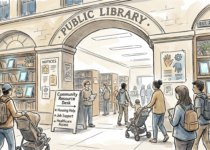
Your Public Library Just Became a Social Services Hub — And Nobody Told You

Can Mosques, Churches and Secular Groups Run One Campaign Together? Coalition Craft from Blackburn
About Author
