What Your City Council’s 2025 Budget Actually Means for Your Neighborhood (Breaking Down the Numbers Over Coffee)
The Budget That Nobody Reads (But Probably Should)
Your city council just passed a budget. It’s probably around 400 pages long. It contains decisions that will directly affect whether your street gets repaired, whether your kid’s rec center stays open, and whether the empty lot three blocks over becomes affordable housing or a parking garage. And if you’re like 97% of your neighbors, you didn’t attend the hearing where it happened.

This isn’t a judgment. It’s just how it is. City budgets are genuinely hard to parse. They’re written in a language that feels deliberately designed to keep humans out. Line items reference previous fiscal years. Departments use acronyms that make sense to exactly four people. The whole thing can feel like it requires a decoder ring and a financial analyst on speed dial.
But here’s the thing: what’s actually in that budget is less mysterious than it seems. It’s just money. Your money, technically. And where it goes tells a real story about what your city actually values, as opposed to what it says it values.
Housing Is Eating the Budget (Literally)
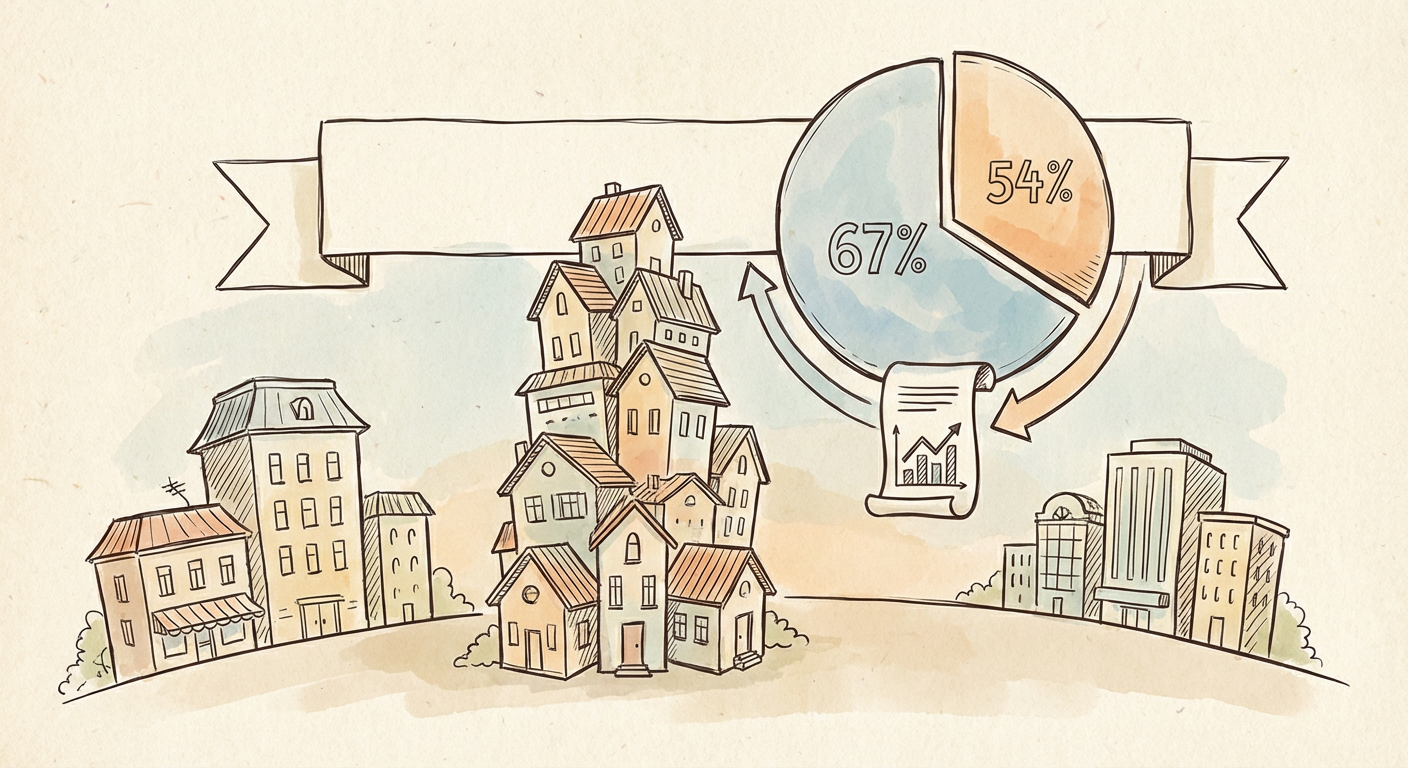
If you’ve noticed that conversations about city budgets have started to sound like conversations about housing, you’re not imagining it. Two years ago, about half of American cities listed housing affordability as their number one budget concern. Now it’s two-thirds. That’s not a coincidence or a trend. That’s a structural crisis showing up on a spreadsheet.
What does that actually mean for your neighborhood? Your city is probably spending more money on housing-related initiatives than it was planning to two years ago. Sometimes that’s good news: money for down payment assistance programs, funds to convert old buildings into apartments, grants to help nonprofits build affordable units. Sometimes it’s complicated news: money that could have gone to street repairs is going to housing instead, which is important but doesn’t fix the pothole on your block.
The National League of Cities 2025 State of the Cities Report tracked this shift, and the numbers matter because they show what’s happening across the country. Your city isn’t alone. The person on your city council fighting for housing funding? They’re part of a nationwide movement reshaping how municipalities spend money.
Where the Federal Money Comes From (And Why It Matters)
Cities don’t just fund themselves. About a third of local government revenue comes from federal grants. The biggest one for neighborhood-level projects is called Community Development Block Grants, and in 2025, the federal government allocated about 3.3 billion dollars to it. That’s real money that funds specific projects in your community: youth programs, code enforcement, infrastructure repairs in lower-income neighborhoods.
Here’s what you need to know: your city council is currently worried about 2026. Federal spending debates happen every year, and councils are actively fighting to protect these community development funds from being cut. Some cities might lose millions. Others might hold steady. It all depends on political winds that nobody can fully predict.
What your city is doing right now is trying to figure out how to fund projects based on the assumption that federal money might not be there next year. It’s like planning a party assuming your biggest sponsor might bail. You still have the party, but you have to be smarter about where you spend.
The Cities That Are Actually in Trouble (And What That Looks Like)
Between 2023 and 2025, twenty-three American cities officially declared fiscal emergencies. That’s when things get really real. Usually it’s because a city relied on revenue sources that dried up after the pandemic ended. Remote work patterns changed. Commuter tax revenue disappeared. Sales tax dipped. Suddenly the math didn’t work anymore.
Your city might not be in that group. But even if it’s not, there’s probably some version of this problem happening quietly in the budget. Less dramatic than a declared emergency, but still real: departments asked to do more with less, positions left unfilled, maintenance deferred.
This is where those community development block grant funds become almost desperately important. They’re not just nice-to-haves. For some cities, they’re the difference between keeping a youth center open or closing it. Between fixing streets in lower-income neighborhoods or letting them deteriorate. Your city council is trying to figure out how to protect these funds while also keeping the day-to-day functions running.
The Weird Thing That’s Actually Happening: People Are Paying Attention
Here’s something genuinely surprising: more people are actually looking at their city’s budget portal than ever before. Civic tech platforms that let residents dig into budget documents reported a 40% increase in people logging in during budget season this year compared to just three years ago. People are waking up to the fact that this stuff matters.
That matters because when more people show up, budgets start to shift. Not because city councils suddenly become altruistic. Just because attention is real. When someone attends a budget hearing and speaks about how they need the rec center their kid goes to, that becomes part of the record. When five people show up asking about why streetlights are broken in their neighborhood, maintenance budgets start to look different.
The Government Finance Officers Association Budget Best Practices emphasizes that community engagement during the budget process actually leads to better outcomes. Not just nicer-sounding budgets, but smarter allocations. Because residents often know things that spreadsheets miss. They know which intersections are dangerous. Which services actually get used. Where the real problems are hiding.
What You Can Actually Do About This
You don’t need to become a budget expert. You just need to care about something specific. Maybe it’s the park. Maybe it’s the library. Maybe it’s the homeless services at the shelter on Fifth Street. Pick one thing. Then look at the budget and see what’s actually allocated to it. Then tell someone about it.
Come to the next meeting. Bring coffee. Bring a friend who cares about something else. Read the budget summary for your department. Attend the next hearing. If you can’t do any of that, just call your council member and say what you think. That’s it. That’s the floor-level version of civic engagement.
Your city council is trying to allocate limited resources in a moment of real constraint. Competing priorities, federal funding cuts, a housing crisis they’re trying to solve with a fraction of the money needed. They’re not going to make everyone happy.
But they will listen to people who show up, pay attention, and care about something specific enough to say it out loud. That’s how budgets actually change. Not through heroic dramatic moments, but through boring persistent attention from people in the community.
The budget is already passed for 2025. But next year’s is starting to take shape right now. If there’s something in your neighborhood you want to see funded differently, the time to start saying so is basically now.

How Three Baristas Changed Our Main Street (And What We Learned About Building Power)
How to Run Community Consultations That People Actually Trust
When the Ground Shifts: How Voluntary Groups Hold Communities Together in a Crisis
About Author
