What Your City Council’s 2025 Budget Actually Means for Your Neighborhood (And Why You Should Care About Line Item 47-B)
The Thing Nobody Talks About Until It’s Too Late
Your city council just passed a budget that affects literally everything about where you live. The pothole on Maple Street. Whether the community center stays open on Saturdays. If the parks department can afford to fix that broken playground equipment your kid’s been complaining about. The streetlights that don’t work. All of it lives in spreadsheets that most of us never see.

Last year, only 18% of people in cities over 100,000 actually watched or attended a city council meeting. That’s not an accident. These meetings happen at inconvenient times, the agendas read like they’re written in code, and honestly, who has the energy after work? But here’s what matters: that budget is your money being allocated. And the choices being made right now, in 2025, are different from anything your city has faced before.
The Money Problem That Changed Everything
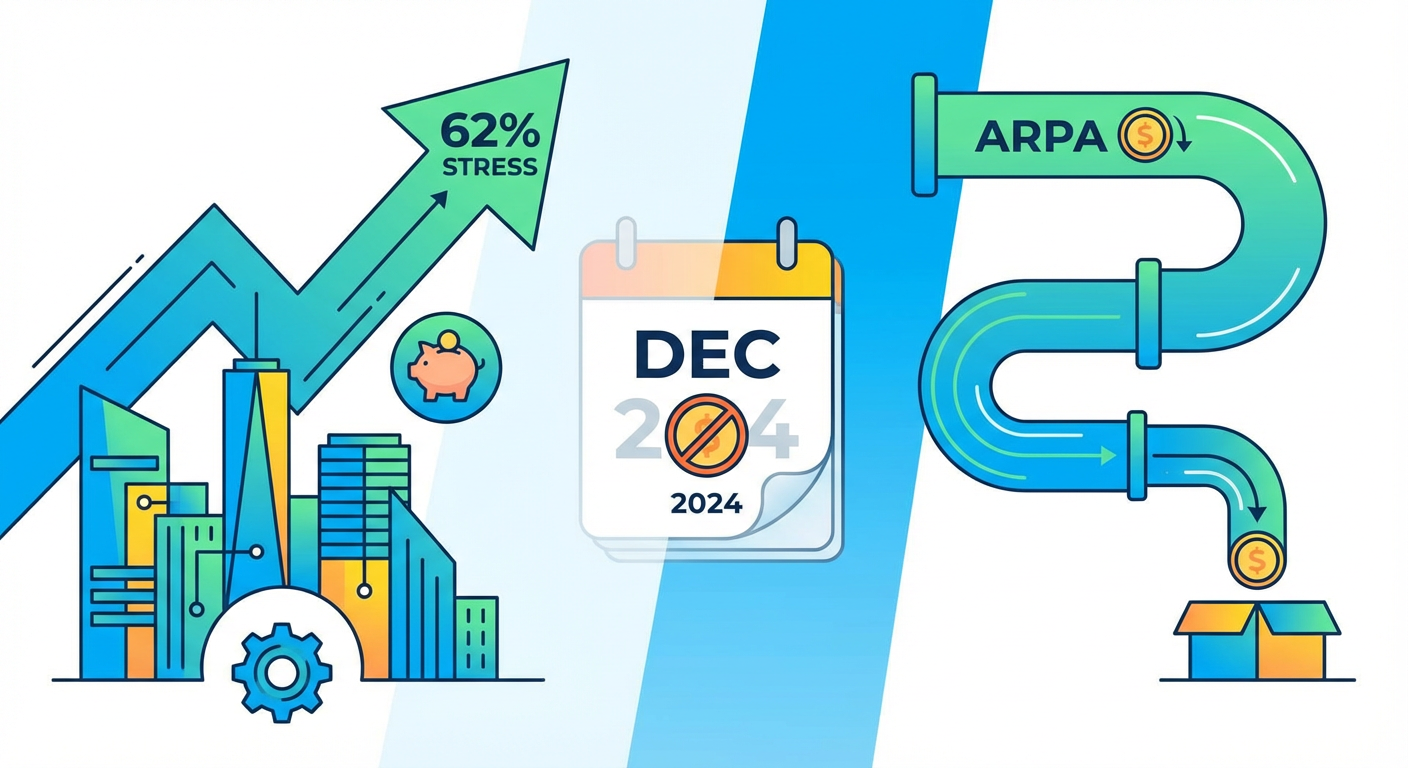
Let’s talk about what actually happened to your city’s finances. For the past few years, cities got huge infusions of federal pandemic relief money through ARPA (the American Rescue Plan Act). That money came in, cities used it to fill gaps, keep services running, maybe upgrade some things. It felt like breathing room. Then December 2024 rolled around and it ended. Just stopped.
According to the National League of Cities 2025 Fiscal Conditions Report, 62% of city finance officers reported that their stress levels went up immediately when this funding disappeared. That’s not just budget anxiety. That’s real pressure on basic operations. Your city now has to figure out how to do everything it was doing before, except without that temporary revenue source.
Here’s the math your city council is sitting with right now. The average American city spends about $2,200 per resident each year on local government services. That covers police, fire, water systems, parks, libraries, planning, code enforcement, everything. Now imagine your city’s general fund just lost 10, 15, or 20% of its revenue overnight. How do you not cut services?
Most cities are doing something called zero-based budgeting reviews. This means they’re basically starting from scratch, asking every department to justify every dollar instead of just taking last year’s budget and tweaking it. 74% of municipalities started this process specifically because of the post-ARPA gaps. It sounds neutral and efficient. What it actually means is that every single service you rely on is currently being questioned.
The Infrastructure Thing That’s Actually Terrifying
Want to know something that keeps infrastructure engineers up at night? The American Society of Civil Engineers just reported that the infrastructure maintenance backlog across American cities has reached $2.6 trillion. That’s trillion with a T. Your local streets, water pipes, bridges, storm drains, sewer systems, electrical infrastructure. All of it is getting older. All of it needs fixing. And most cities don’t have the money to fix it.
This is where line item 47-B actually matters, by the way. I’m using that as a placeholder, but your city’s budget has actual line items for street maintenance, water system repairs, and infrastructure replacement. When times are tight, these are the things that slip. Not because they’re unimportant, but because they’re invisible until they catastrophically fail. A pothole doesn’t vote. A crumbling water main doesn’t attend school board meetings. But you notice them eventually.
You notice them when your street floods during heavy rain because the storm drain system is from 1987. You notice them when water quality issues pop up because pipes are corroding. You notice them when one pothole becomes twelve, becomes the whole road surface looking like a war zone. By then, fixing it costs way more than maintaining it would have.
Check the ASCE 2025 Infrastructure Report Card for your state. Really. It’s specific and current and shows exactly what condition different types of infrastructure are in. Your city council is absolutely aware of these numbers. They’re making budget decisions around them.
Why Your Neighborhood Actually Needs You to Care
City budgets aren’t abstract. They’re deeply personal. The question of whether your city hires more crossing guards at the elementary school comes down to whether they’ve prioritized pedestrian safety in the budget. Whether the community pool opens this summer depends on whether the recreation department got funded. Whether someone comes to trim the branches hanging over the sidewalk depends on whether public works has the staffing to do it.
These decisions are being made by regular people trying to balance impossible choices. They’re not villains. They’re city council members and finance directors looking at limited money and unlimited needs. And most of them would genuinely like to know what their residents actually care about. Not in the abstract. Specifically.
You have power here. It doesn’t require a lot of time. It requires showing up or paying attention. Reading the executive summary of the budget instead of the whole thing. Attending one meeting. Sending one email to a council member about something you actually care about. Talking to your neighbors about what matters to them.
The budget for the next fiscal year is being finalized right now. The decisions made in this moment will affect your neighborhood for months. Whether the parks get maintained. Whether streets get resurfaced. Whether there’s enough funding for code enforcement to handle that rental property issue on your block. Whether the library stays open the hours you actually need it.
Actually Doing Something About It
Start somewhere small. Find your city’s budget document online, usually on the city website under finance or budget office. Skip to the executive summary. That’s actually readable. Spend 20 minutes with it and coffee. Notice what’s there and what’s not. What got funded. What got cut.
Identify the one thing you actually care about. The thing that affects your daily life or your neighborhood. Then find out where that lives in the budget. Email your city council person about it. Seriously. They get maybe 10 emails per month from residents on policy issues. Your email will be noticed. It won’t be ignored.
Or go to a meeting. Most are recorded now. You don’t have to sit in a room on a Tuesday night. You can watch it Wednesday morning while making breakfast. But seeing and hearing actual decision makers discussing actual trade-offs is different than reading about it later.
Your neighborhood isn’t something that happens to you. It’s something being actively shaped by decisions happening right now, in rooms you could access, about money that’s yours. The budget is real. The people making these decisions are real. And they’re counting on the fact that you won’t pay attention. Prove them wrong.

Nwesp — Your Community Hub

The Best Electric Can Opener
The Quiet Backbone of Crisis: How Community Groups Uphold Dignity When Systems Fail
About Author
