What We Lost When the Eviction Protections Ended — And What We Can Still Do About It
The Numbers Tell a Story We Need to Hear
In 2025, eviction filings hit 3.6 million across the United States. That’s the highest number ever recorded since researchers started tracking this systematically back in 2000. Let that sink in for a moment. Not during the worst of the 2008 housing crisis. Not in the decades before. Right now.

This isn’t abstract data. These are your neighbors. The family two blocks over. The elderly couple who’ve lived on your street for twenty years. The single parent you see at the grocery store. We watched a specific moment in time, a brief window when eviction protections actually existed, and then we watched it close.
By the end of 2024, most of the Emergency Rental Assistance programs that kept people housed during the pandemic had completely wound down. And when I say “most,” I mean nearly all of it. Fewer than a dozen states still have any pandemic-era tenant protections on the books. The infrastructure that kept the flood at bay for those few crucial years is mostly gone.
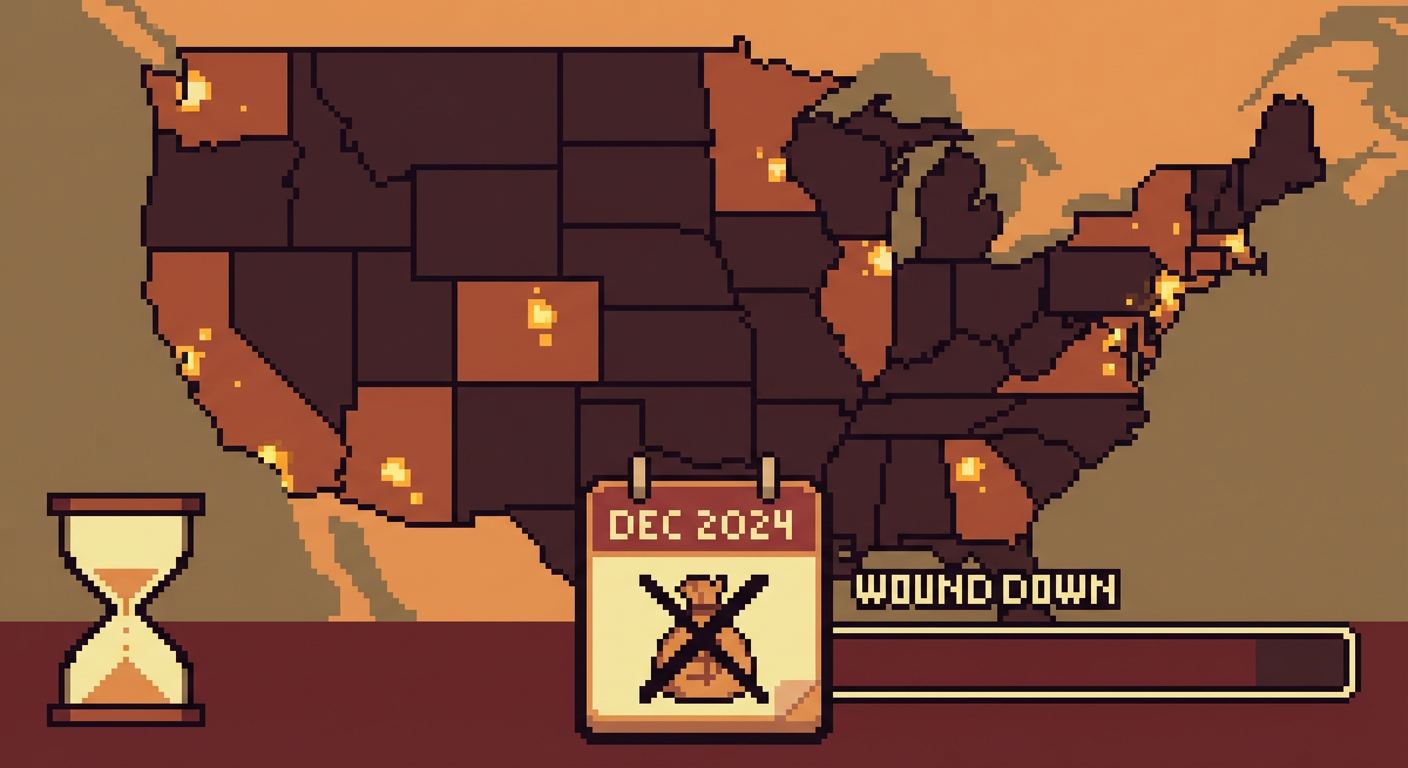
Where the Protection Actually Was—And Wasn’t
Here’s the thing about emergency protections: they were never meant to be permanent. But they revealed something important. They showed us what happened when people actually had a legal defense. When someone served with eviction papers could walk into court with a lawyer instead of alone.
Research from the Urban Institute in 2025 found that cities with right-to-counsel programs, places where tenants get free legal representation in eviction court, saw eviction rates drop by 27 percent compared to similar cities without those programs. Twenty-seven percent. That’s not theoretical. That’s families staying in their homes. That’s kids staying in the same school. That’s the difference between instability and the chance to plan your life.
And here’s what makes it worse: we know this works. We have the data. We’ve tested it. But most cities don’t have these programs. Most of us never did. The pandemic was the exception, not the rule. It showed us what comprehensive protection looks like, and then it ended.
The Families We’re Watching Leave
HUD released their 2025 Annual Homeless Assessment Report. Family homelessness went up 18 percent year-over-year. Researchers directly connected this spike to the expiration of state-level eviction moratoriums. So this isn’t a coincidence. This is causation. Protections expired. Families got evicted. Families became homeless.
There’s a difference between knowing something abstractly and understanding what it means. It means a kid in sixth grade changing schools mid-year. It means sleeping in a car. It means the kind of instability that follows you for years, affecting everything from school performance to job prospects. It means your neighbor, and the next one, and the one after that.
This is the part that stays with me. We had a working system. It wasn’t perfect. It wasn’t designed to be permanent. But it functioned. Fewer people lost their homes. Fewer families ended up on the street. We saw what was possible.
What Cities Are Actually Doing Now
Here’s where I want to shift, because despair is a luxury we can’t afford. Twelve major cities, Minneapolis, Denver, Columbus, and others, introduced new “just cause” eviction ordinances in 2025. These aren’t federal programs. These aren’t state protections. These are cities saying: not in our jurisdiction. These are local governments stepping up after state legislatures refused to act.
Just cause ordinances are straightforward. They say landlords can’t evict tenants without a legitimate reason. No more evicting someone because they asked for repairs. No more evicting because you want to raise rent beyond what the market can bear. It’s not perfect. But it works. You can check what’s happening in your own city by looking at National Housing Law Project Local Tenant Protections or diving into your city council minutes.
And there’s more. Some cities are implementing right-to-counsel programs from the ground up. Some are funding local legal aid clinics. Some are creating tenant advocate positions. None of this is happening at the state or federal level right now. All of it is happening because someone like you decided to show up.
What the Data Actually Means—And What You Can Do
If you want to understand the real story of what’s happening in your community, start with Princeton Eviction Lab Data Dashboard. Plug in your zip code. See what the actual eviction filing rate is in your neighborhood. This isn’t speculation. This is documented. This is what’s happening right now, block by block.
Then ask: does my city have a right-to-counsel program? Does it have just cause eviction protections? If the answer is no, that’s information. That’s not a dead end. That’s a starting point. You can show up to city council and say: here’s what other cities are doing. Here’s what the data shows works. Here’s what I’m asking for.
You don’t need to be an expert. You need to be willing to read the information, show up, and say it matters. You need to care enough to text three friends and ask them to show up with you. That’s literally how this works. That’s how anything changes.
We lost the pandemic protections. That loss is real. But what we learned from them doesn’t have to be lost. It just requires us to decide that keeping people housed is worth the work of showing up for. The data is there. The models are there. The question is whether we’re going to act like it matters.

Why Your Water Bill Just Changed and Four Other Council Decisions You Probably Missed
The Best Electric Can Opener
The Problem With Measuring Impact Through Outputs Alone
About Author
